You would be surprised how much contaminated land is still sitting unused across the UK. Old petrol stations, factory yards, scrap sites, and even bits of land that look perfectly normal can still contain contaminated soil from work carried out years ago. In some cases it is heavy metals or petroleum hydrocarbons. Other sites end up dealing with hazardous chemicals, polluted soil, or contamination that has spread into nearby soil and groundwater over time – soil remediation is basically the clean-up process.
The aim is to treat contaminated soil properly, lower the environmental risks, and make the land safe to use again. Different soil remediation techniques are used depending on the site conditions and the contamination levels involved. Some remediation methods remove contaminants completely, while others treat the soil on site through things like soil washing, biological treatment, chemical oxidation, or thermal desorption.
What Causes Soil Contamination?
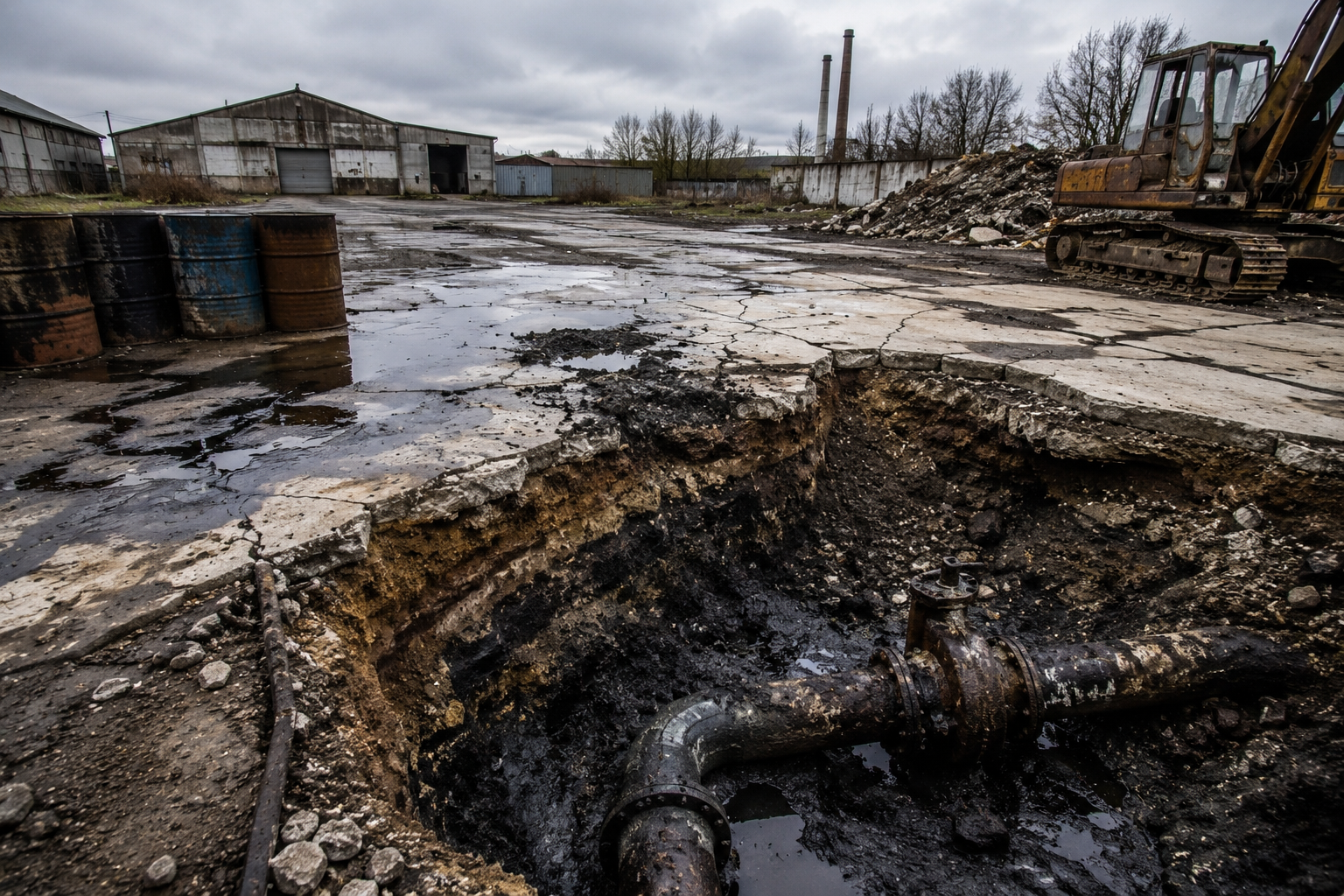
In a lot of cases, the problem started years before anyone even realised there was an issue. An old workshop might have had leaking drums out the back. A transport yard could have spent years washing fuel and oil into the same bit of ground every day. Stuff like that adds up. Eventually the soil ends up contaminated, even if the site looks completely harmless from the outside.
Some contaminated land across the UK has been sitting untouched for decades. Old industrial sites are usually the worst for it. Heavy metals, petroleum hydrocarbons, and hazardous chemicals can stay trapped underground for a very long time. Rainwater slowly pushes contamination deeper into the soil and groundwater, which is where the environmental risks start becoming more serious.
You never really get two sites that are identical either. One job might only involve a small amount of polluted soil near the surface. Another could uncover contaminated materials spread across a huge area. That is why the soil remediation process usually starts with proper testing and site investigation work first rather than jumping straight into treatment.
Common Soil Remediation Techniques Used Today
Some contaminated sites need large amounts of soil removing straight away. Others can be treated without digging everything out. It really comes down to what contaminants are present and how far the contamination has spread. A simple fuel spill near the surface is very different from years of industrial waste soaking deep into the ground underneath an old factory site.
Soil washing is one of the better-known soil remediation techniques and is often used where contaminants stick to smaller soil particles. The soil washing process separates cleaner material from the heavily contaminated sections so less waste ends up needing off site disposal. Other remediation methods use chemical oxidation or biological treatment to break down organic contaminants underground rather than removing huge volumes of soil completely.
Some jobs need ex situ treatment, which means the contaminated soil gets excavated and treated elsewhere before coming back as treated soil or being disposed of safely. In situ treatment works differently and treats contamination directly in the ground. Thermal desorption, air sparging, and microbial degradation are also used on certain contaminated sites where standard excavation would be too disruptive or expensive.
Why Site Investigation Matters Before Remediation Starts
You cannot really plan a proper soil remediation process without knowing what is actually sitting underground first. A site might look clean on the surface but still contain contaminated soil underneath from work carried out years ago. Old fuel tanks, buried waste, and chemical storage areas are often discovered during site investigation work rather than during the initial inspection.
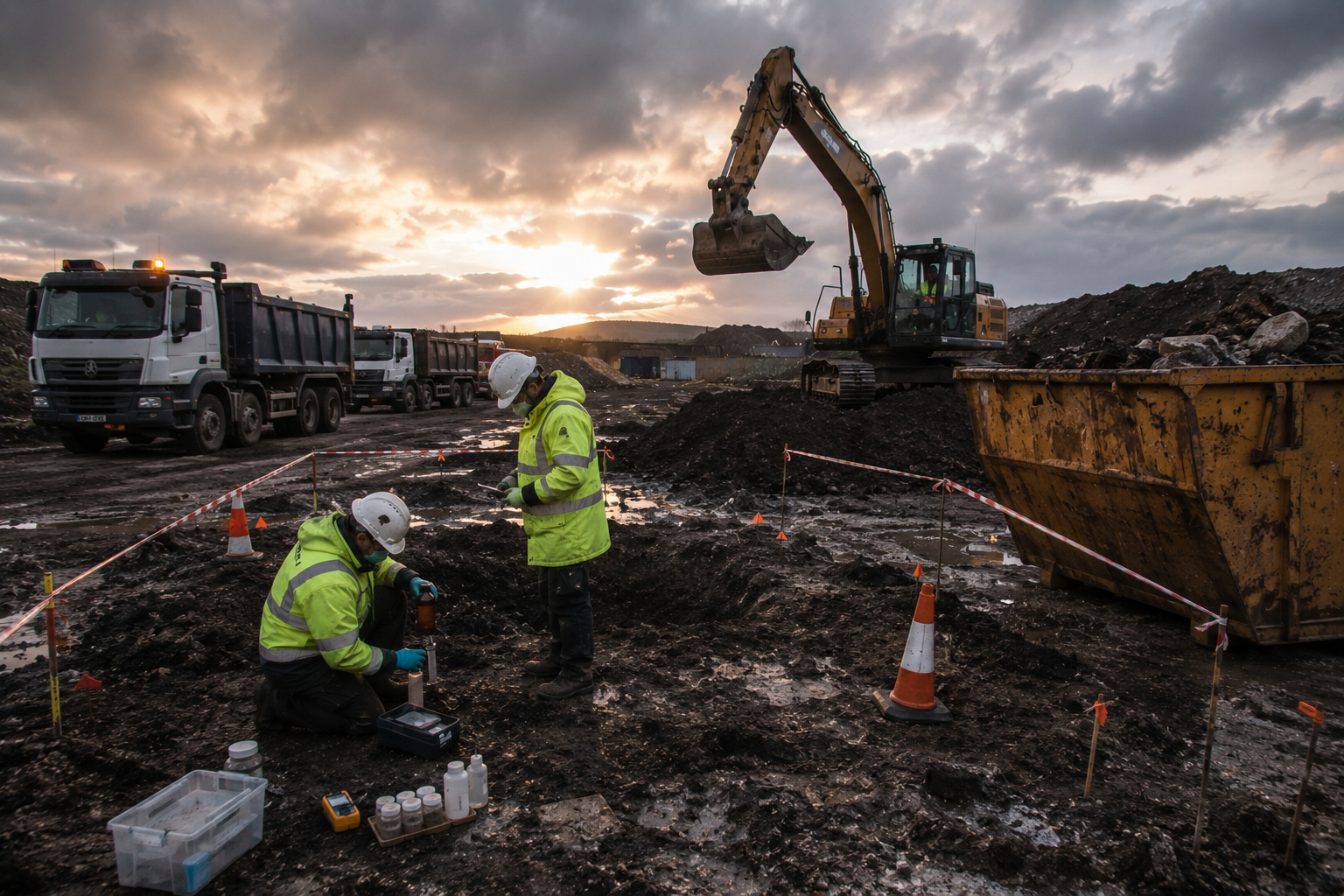
Testing helps show the contamination levels across the site and whether the contamination has spread into soil and groundwater nearby. Some contaminated sites only affect one small area, while others turn out to be much larger once samples are taken properly. That stage is important for reducing environmental risks and avoiding expensive surprises later during the treatment process.
The findings also help decide which remediation techniques make the most sense for the site conditions involved. Some land remediation activities may only need small areas of polluted soil removing, while others need a combination of remediation methods to reduce unacceptable risk and protect human health properly.
Soil Washing and Other Modern Remediation Methods
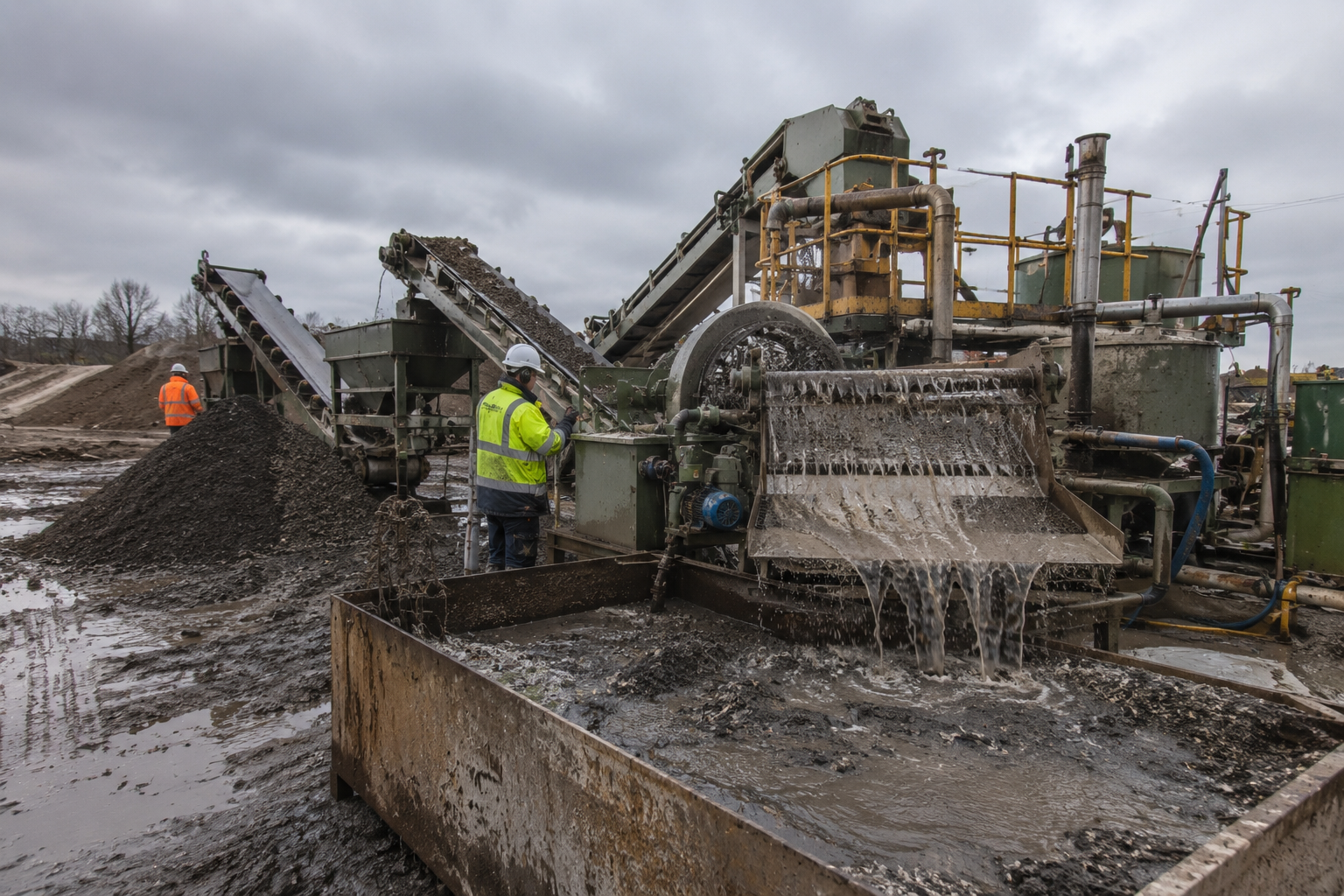
A lot of people assume contaminated soil always gets dug up and taken away, but that is not always the case now. Modern soil remediation techniques can sometimes clean and reuse parts of the soil instead of sending everything for off site disposal. That makes a big difference on larger contaminated sites where waste volumes can quickly get out of hand.
Soil washing is one method that gets used when contaminants attach themselves to smaller soil particles. The soil washing process separates cleaner material from the heavily contaminated sections so the amount of waste is reduced before subsequent treatment happens. Some remediation methods also rely on chemical reactions or biological treatment to break down organic pollutants underground rather than removing huge sections of land completely.
Other sites need more aggressive remediation processes depending on the contamination involved. Thermal desorption is often used where hazardous chemicals or petroleum hydrocarbons are difficult to remove through standard treatment. Air sparging and chemical oxidation are also common on contaminated groundwater sites where pollutants have moved below the surface and spread further than expected.
PFAS Soil Remediation and Why It Is Becoming a Bigger Problem
PFAS contamination is turning up on more sites than people first expected. Old airports, industrial yards, training grounds, and storage areas are some of the main hotspots. Years ago, hardly anybody was talking about forever chemicals. Now they are being picked up during site investigation work all over the place.
The issue with PFAS is that the contamination does not stay put very easily. Once it gets into soil and groundwater, it can travel further than expected and become difficult to manage. A contaminated site might look fairly straightforward at first, then testing comes back showing pollution underneath a much wider area. That is usually where remediation starts getting expensive.
A lot of standard soil remediation techniques struggle with PFAS contamination as well. Some sites need excavation and off site disposal, while others go through several remediation processes before contamination levels are reduced properly. The treatment process depends heavily on the site conditions involved and whether there is a risk to nearby surface water or human health.
How Contaminated Soil Is Removed From Site
Once testing has confirmed the contamination, the next step is usually deciding what can stay and what needs removing. Some contaminated soil can be treated on site through different remediation methods, but other material is simply too heavily polluted to leave in place. That is where excavation starts becoming part of the soil remediation process.
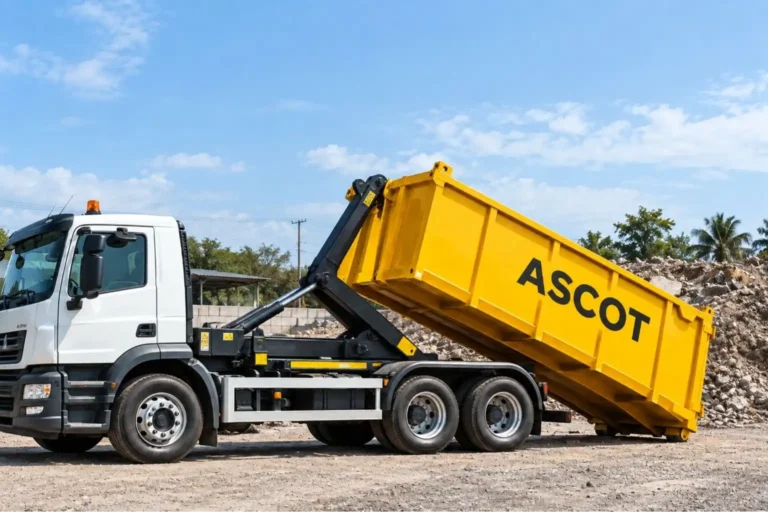
Large machinery is often used to remove contaminated materials in stages so the affected area can be separated properly from cleaner ground nearby. On some industrial sites, the contamination only affects shallow soil near the surface. Other jobs uncover pollutants much deeper underground, especially around old tanks, drainage runs, and buried waste. You do not always know the full picture until excavation actually starts.
Once removed, the soil normally gets classified before leaving site for off site treatment or disposal. Some treated soil can eventually be reused depending on contamination levels and site conditions involved. Other waste has to be handled separately under stricter environmental protection rules, particularly where hazardous chemicals or heavy metals are present.
Biological Treatment and In Situ Remediation Methods
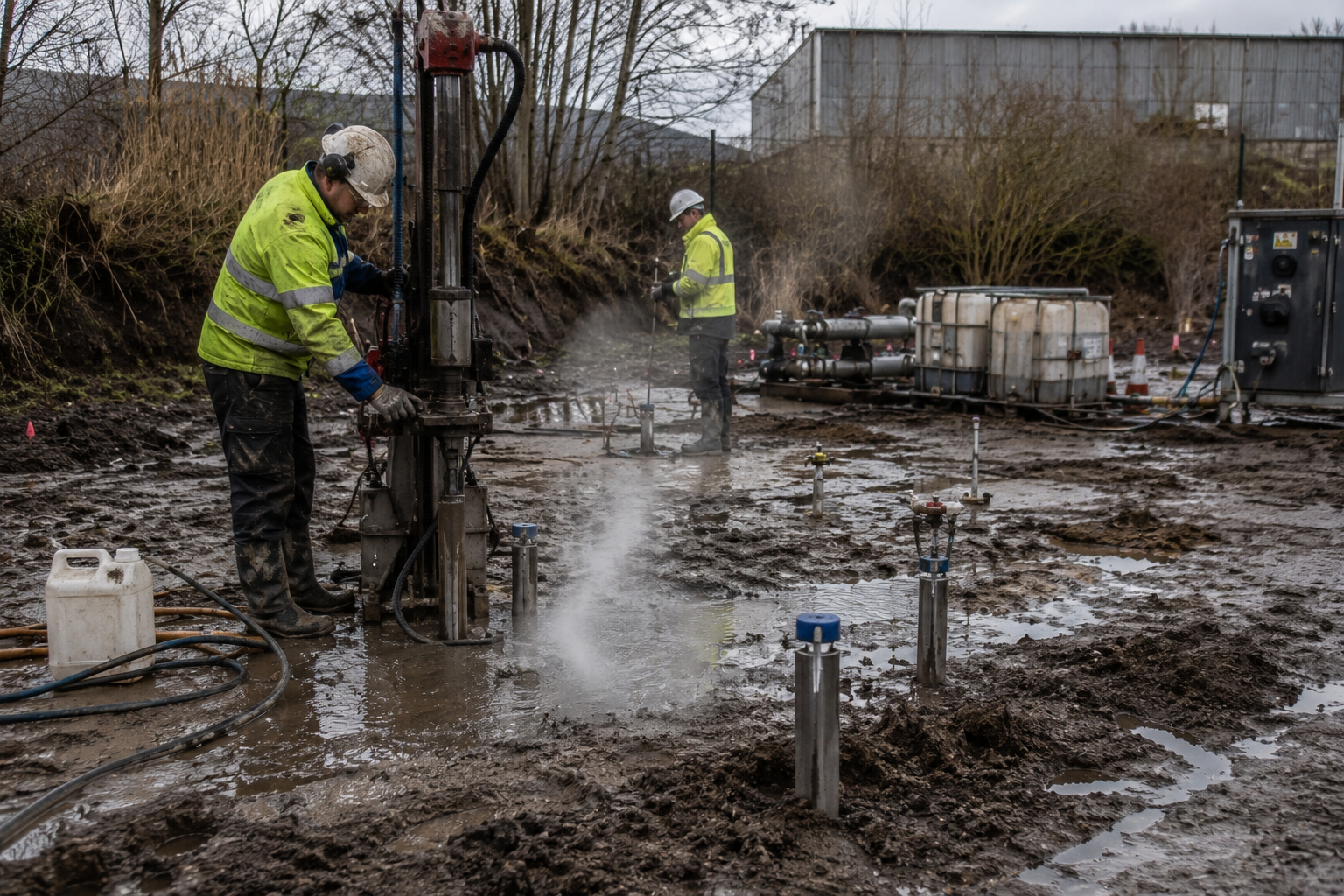
Not every contaminated site needs thousands of tonnes of soil carted away. In some cases, the contamination can be treated where it already sits underground. That approach is normally less disruptive, especially on sites where excavation would cause major delays or push costs through the roof.
Biological treatment is one option used on certain contaminated land sites where living microorganisms help break down organic contaminants naturally over time. Petroleum hydrocarbons are often treated this way if the site conditions are suitable. Some remediation techniques also use chemical oxidation underground to remove contaminants without digging up huge areas of land first.
In situ treatment tends to work best where the contamination has not spread too far or where access is difficult. Air sparging and other remediation methods are sometimes used on contaminated groundwater sites to deal with pollution below the surface. The technique depends on several factors though, including contamination levels, soil types, and the environmental risks linked to the site.
Why Soil Remediation Matters for Waste Management
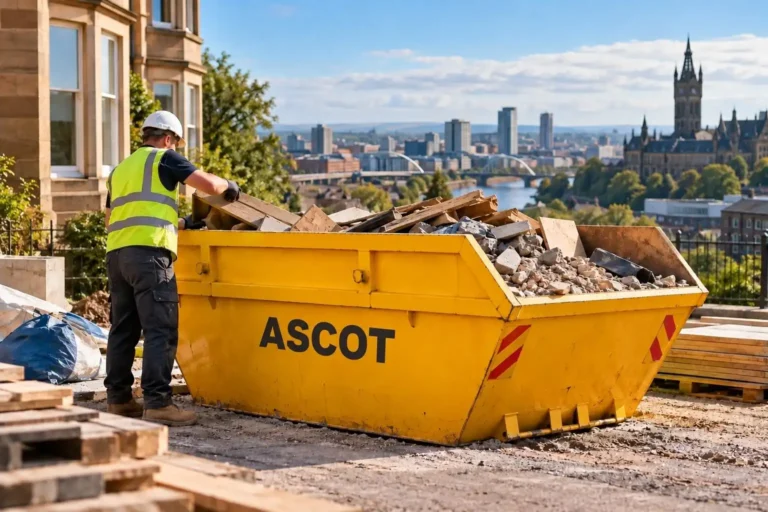
Waste management companies end up dealing with contaminated soil more often than people realise. Skip hire, site clearance, muck away services, and industrial waste removal can all uncover contaminated materials during day-to-day work. Whether it is a smaller 4 yard or 8 yard skip on a lighter clearance or a 12 yard, 14 yard, or 16 yard skip on a bigger site, contamination often only shows once the ground is disturbed. Sometimes the issue is obvious straight away. Other jobs only reveal land contamination once excavation starts and the soil conditions change underneath the surface.
Handling contaminated soil properly matters for a few different reasons. Environmental protection rules are far stricter now than they were years ago, especially where hazardous chemicals, polluted soil, or contaminated groundwater are involved. Sending the wrong waste to the wrong facility can create serious problems later, both financially and environmentally. That is why proper classification, testing, and off site disposal procedures are such a big part of modern land remediation activities.
There is also far more focus now on reducing waste where possible instead of automatically sending everything to landfill. Some treated soil can be reused safely after remediation processes have lowered the contamination levels enough. That not only cuts disposal costs down, it also reduces the amount of waste leaving site in the first place.
The Challenges That Come With Contaminated Sites
Contaminated sites rarely turn out as straightforward as people expect. A job might begin with what looks like a small contaminated area, then excavation uncovers polluted soil spreading much further underneath nearby ground. Old industrial sites are especially unpredictable since records from years ago are often incomplete or missing altogether.
Weather can make things harder as well. Heavy rain sometimes spreads contamination through soil and groundwater faster than expected, particularly on sites with poor drainage or damaged underground structures. Some contaminants also react differently depending on the soil types involved, which is why remediation techniques that work perfectly on one site may not work on another.
Costs can climb quickly once additional treatment process work becomes necessary. Extra excavation, off site disposal, contaminated groundwater treatment, and further site investigation all add time and expense onto the project. That is usually why proper planning early on makes such a difference before large land remediation activities begin.
Can Contaminated Soil Be Reused?
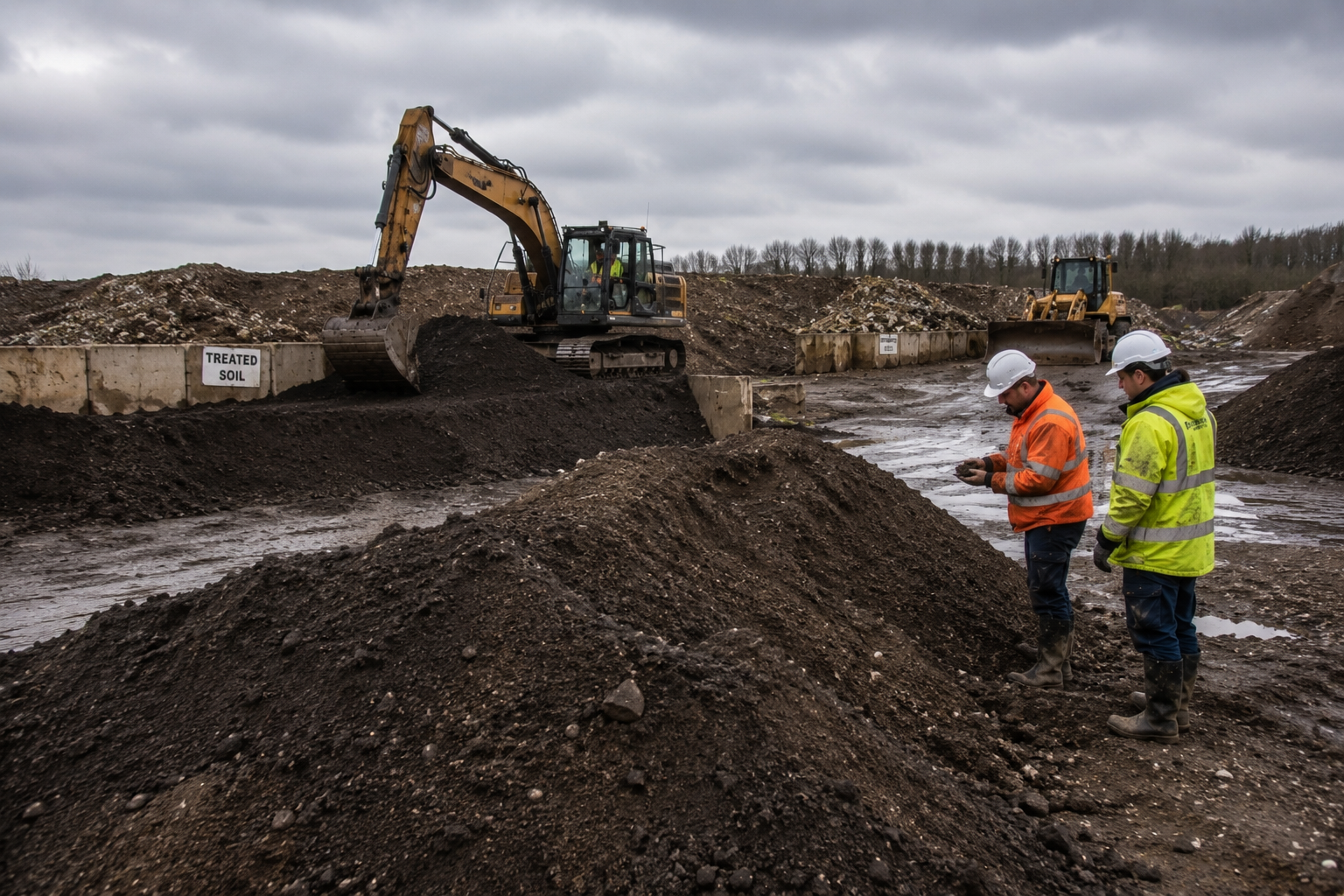
A lot of people assume contaminated soil automatically becomes waste, but that is not always true. Some soil remediation techniques are designed to clean and recover material rather than remove everything from site. On larger projects, that can make a massive difference to disposal costs and the amount of waste leaving the area.
The possibility of reuse normally depends on the contamination levels and the type of contaminants involved. Certain remediation methods can produce treated soil that reaches an acceptable level for reuse on the same site. Soil washing, biological treatment, and other remediation processes are often used where the contamination can be separated or reduced safely without creating unacceptable risk.
There are limits though. Soil containing hazardous chemicals, heavy metals, or harmful substances may still need off site treatment or disposal depending on the environmental risks involved. Every contaminated site ends up slightly different, which is why proper testing and site investigation work matter before decisions get made about reuse or removal.
Asbestos Soil Remediation on Older Sites
You tend to find asbestos contamination on land that has already had a long working life behind it. Old depots, demolished buildings, factory sites, and forgotten storage yards are common examples. Years ago, broken asbestos materials were often buried or left mixed into soil without much attention. Plenty of those sites are only being picked up properly now during redevelopment or groundworks.
The problem starts once the soil gets disturbed. Digging into contaminated land can release asbestos fibres into the air, especially where the material has already broken down underground over time. That is why asbestos soil remediation usually involves controlled excavation, careful handling, and strict waste removal procedures rather than rushing straight into large-scale digging.
Some sites only need small contaminated areas removing, while others end up needing far more extensive remediation work than expected at the beginning. Site investigation results, contamination levels, and future land use all play a part in deciding how the contaminated soil gets managed safely.
Soil and Groundwater Problems Often Go Together
Once contamination gets below the surface, it rarely stays in one place. Oil, chemicals, and other contaminants can slowly work their way through the ground over time, especially after heavy rainfall or years of exposure. A site might start with contaminated soil near the surface, then later testing shows the pollution has reached groundwater underneath as well.
That tends to happen quite a lot on older industrial sites. Leaking tanks, drainage issues, and repeated spills can all push contamination deeper underground without anybody noticing straight away. By the time site investigation work starts, the contaminated area is sometimes much larger than expected. Groundwater pollution is usually one of the more expensive problems to deal with too.
Some remediation methods are designed specifically to treat soil and groundwater together rather than separately. Air sparging, biological treatment, and chemical oxidation are all used on certain contaminated sites depending on the site conditions involved. The aim is normally to stop contaminants spreading further and reduce the environmental risks before the problem reaches nearby surface water or surrounding land.
Choosing the Right Soil Remediation Method
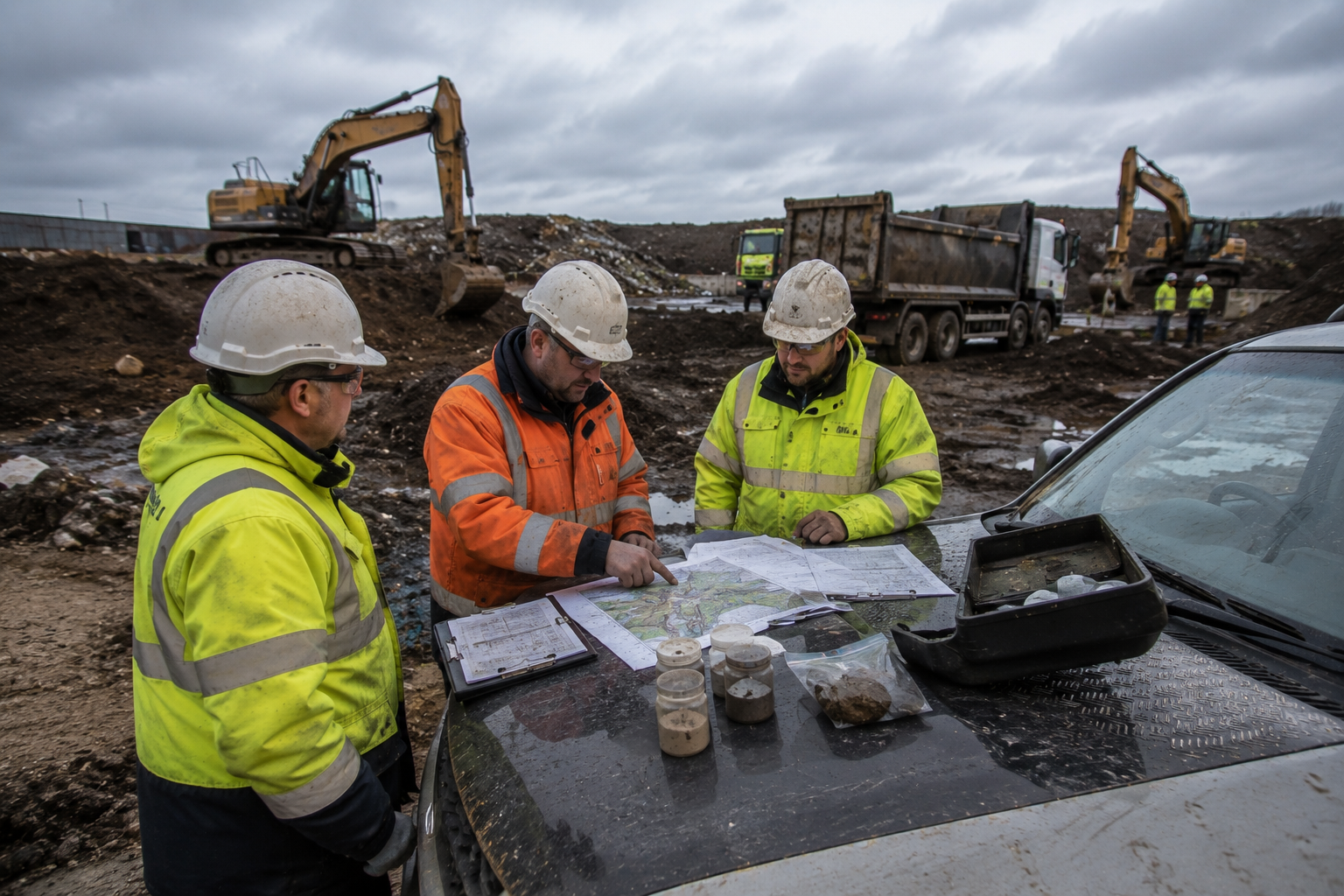
There is no single fix that works for every contaminated site. One area might only need a small amount of polluted soil removing, while another ends up needing several remediation techniques working together at the same time. The treatment process normally changes depending on the contaminants involved, how deep the contamination sits underground, and whether soil and groundwater have both been affected.
Cost plays a part as well. Some remediation methods are quicker but create larger off site disposal costs, especially where heavily contaminated materials need removing completely. Other sites lean more towards in situ treatment or biological treatment to reduce disruption and keep more treated soil on site where possible. That approach can work well on larger land remediation projects where excavation alone would become expensive very quickly.
In reality, most successful soil remediation work comes down to proper planning early on. Good site investigation results, realistic timescales, and the right waste management approach usually make a massive difference once remediation processes begin. Getting things wrong at the start often leads to delays, extra excavation, and contamination spreading further than expected.
Why Soil Remediation Is Becoming More Important Across the UK
You hear about contaminated land far more now than you did years ago. Part of that comes down to old industrial sites finally being redeveloped, but stricter environmental rules are another big reason. Land that might once have been ignored is now getting tested properly before any major work starts. Quite a few sites uncover problems nobody even knew were there.
The costs can climb quickly once contamination spreads through soil and groundwater. Delays, extra excavation, off site disposal, and further treatment process work all add pressure onto a project if things are left too late. That is why proper soil remediation matters so much now, especially on older commercial land and former industrial sites where pollution has built up slowly over time.
Most companies would rather deal with the issue properly at the beginning than face bigger problems later on. Getting the right advice early, carrying out proper site investigation work, and handling contaminated materials safely usually keeps the whole process far more manageable. It also helps avoid unnecessary disruption once remediation work is already underway.
The Future of Soil Remediation and Waste Handling
The waste and remediation industry is changing quite quickly now compared to even ten years ago. More focus is being placed on reusing treated soil, reducing off site disposal, and finding remediation methods that create less disruption overall. Land remediation activities are also becoming more heavily monitored, especially on contaminated sites close to housing, waterways, and public spaces.
PFAS contamination is another reason the sector is moving so fast. A lot of companies are still trying to figure out the best long-term approach for dealing with forever chemicals safely. Some older remediation techniques simply were not designed for contaminants like that, which is why newer treatment process methods are constantly being tested and improved across the industry.
One thing that probably will not change anytime soon is the need for proper planning before work starts. Contaminated land can create serious environmental risks if corners get cut early on. Getting experienced people involved from the beginning normally makes the whole soil remediation process smoother, safer, and far less expensive once excavation and waste removal are already underway.
Dealing With Contaminated Land Properly From The Start
Contaminated land problems rarely get smaller once work begins. Old industrial sites, fuel spills, hazardous chemicals, and polluted soil can all create serious delays if contamination is discovered too late or handled incorrectly. A lot of the bigger costs usually come from poor planning at the beginning rather than the remediation work itself.
Modern soil remediation techniques give businesses far more options than they had years ago. Some contaminated soil can now be treated and reused safely, while other sites need excavation, off site disposal, or specialist remediation methods depending on the contamination levels involved. Every contaminated site is different though, which is why proper site investigation work and experienced waste handling matter so much before excavation starts.
Ascot Management Services works with businesses across Glasgow, Hamilton, and Motherwell, as well as wider projects throughout the UK, covering waste management, site clearance, and contaminated material work. Whether the job involves contaminated soil, hazardous waste, muck away services, or larger land remediation activities, getting experienced support early on normally makes the whole process safer, quicker, and far easier to manage once work gets underway.