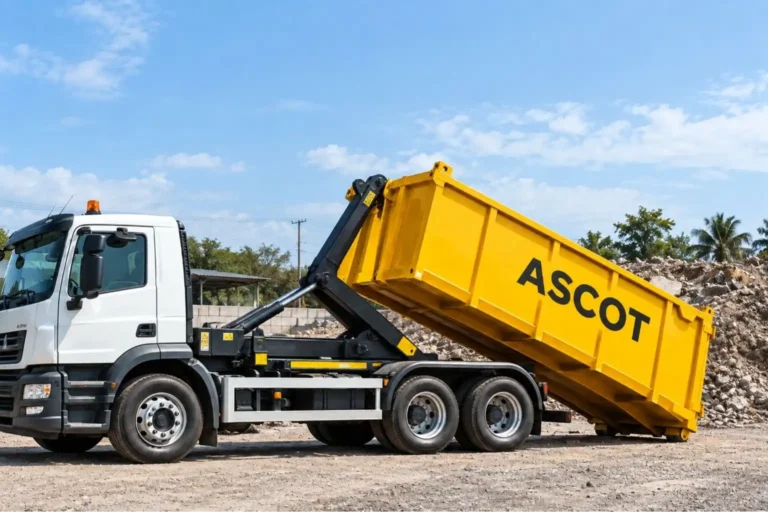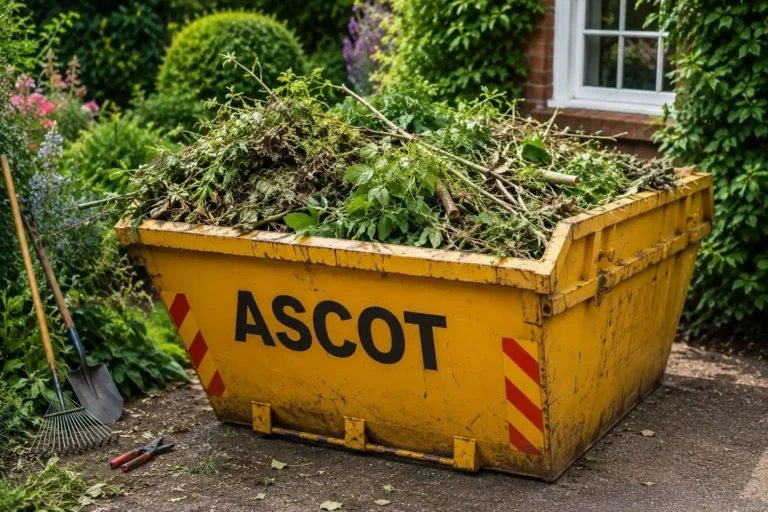
Working out the right skip size is not always that clear at the start. You can look at a job and think you have a rough idea, but it does not always stay the same once things get going. Waste builds up in stages, and it is easy to underestimate how much there will be.
It also depends on what is going in. Lighter stuff can make it look like there is still plenty of space, then heavier materials go in and fill it much quicker than expected. People sometimes think in terms of bin bags, but that only really works for certain types of waste. It is not always an exact way of judging it.
Understanding UK Skip Sizes and What They Hold
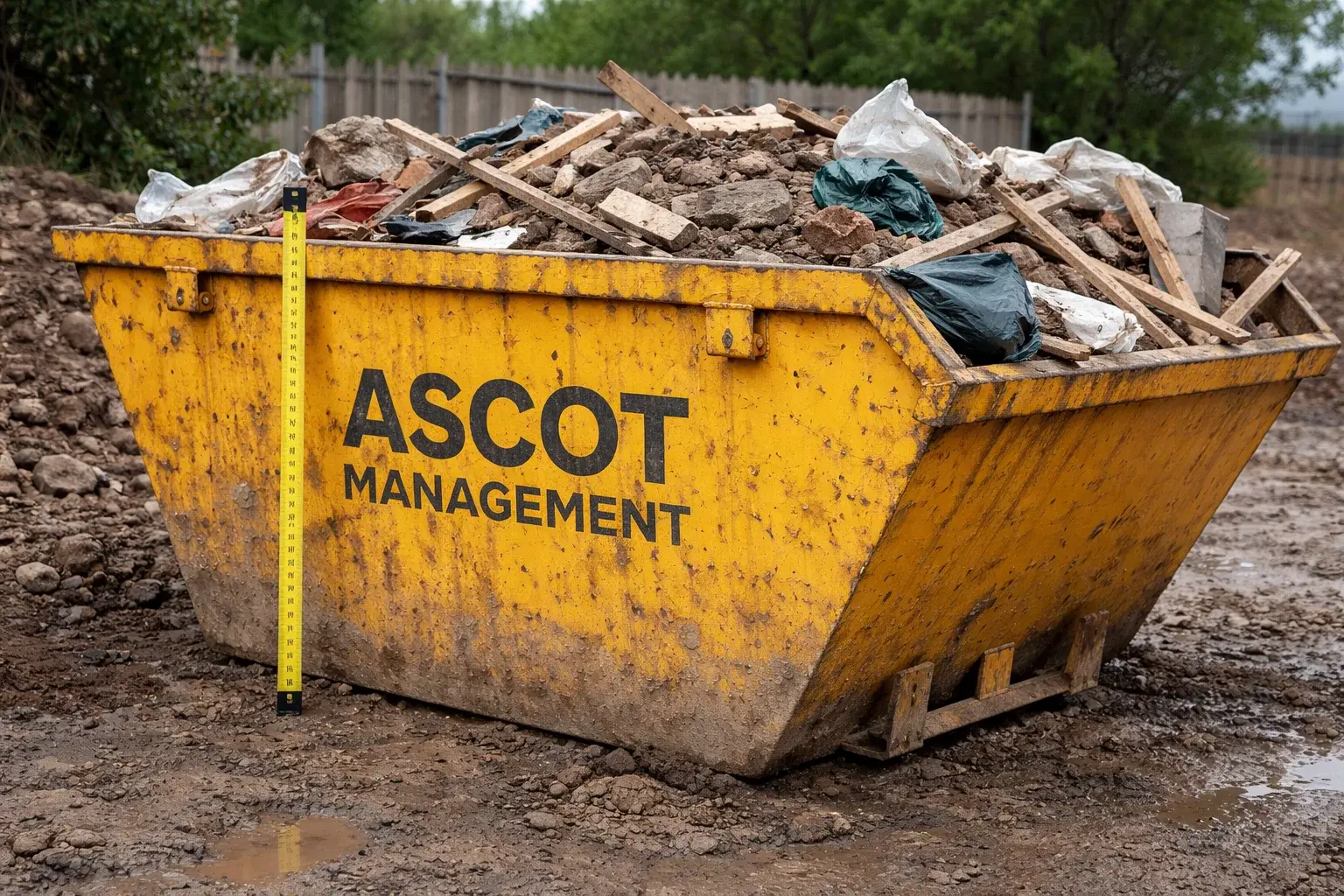
Skip sizes in the UK are usually measured in cubic yards, which does not always mean much at first glance. Most people just go by how big the skip looks when it arrives, rather than thinking about the actual volume it holds.
It becomes clearer once you start using one. Smaller skips can fill quicker than expected, especially if the waste is heavier or more bulky. Larger skips give more room to work with, but they are not always needed for every job. It really depends on what is being cleared and how much builds up along the way.
4 Yard Skip: Best for Small Jobs and Light Waste
A 4 yard skip is on the smaller side, so it tends to get used for lighter jobs. Things like garden waste, small clear-outs or bits of building work where waste is not building up too quickly. It is often chosen just to keep things simple on shorter jobs.
It does have its limits though. Once heavier materials start going in, space can disappear faster than expected. Soil, bricks and similar waste can fill it before you have really noticed. It works better when most of the load is lighter, otherwise it can feel a bit tight quite early on.
8 Yard Skip: The Most Popular Builders Skip
An 8 Yard Skip is probably the one most people end up using. It sits in the middle, so it works for a mix of jobs without feeling too small or too large. You will see it used a lot on building projects, especially where waste builds up steadily rather than all at once.
It tends to handle a bit of everything. Building waste, heavier materials and general rubbish can all go in, as long as it is kept level. It is often called a builders skip for that reason. It gives enough space to work with without needing something much larger straight away.
12 to 16 Yard Skips: For Larger Projects and Bulk Waste
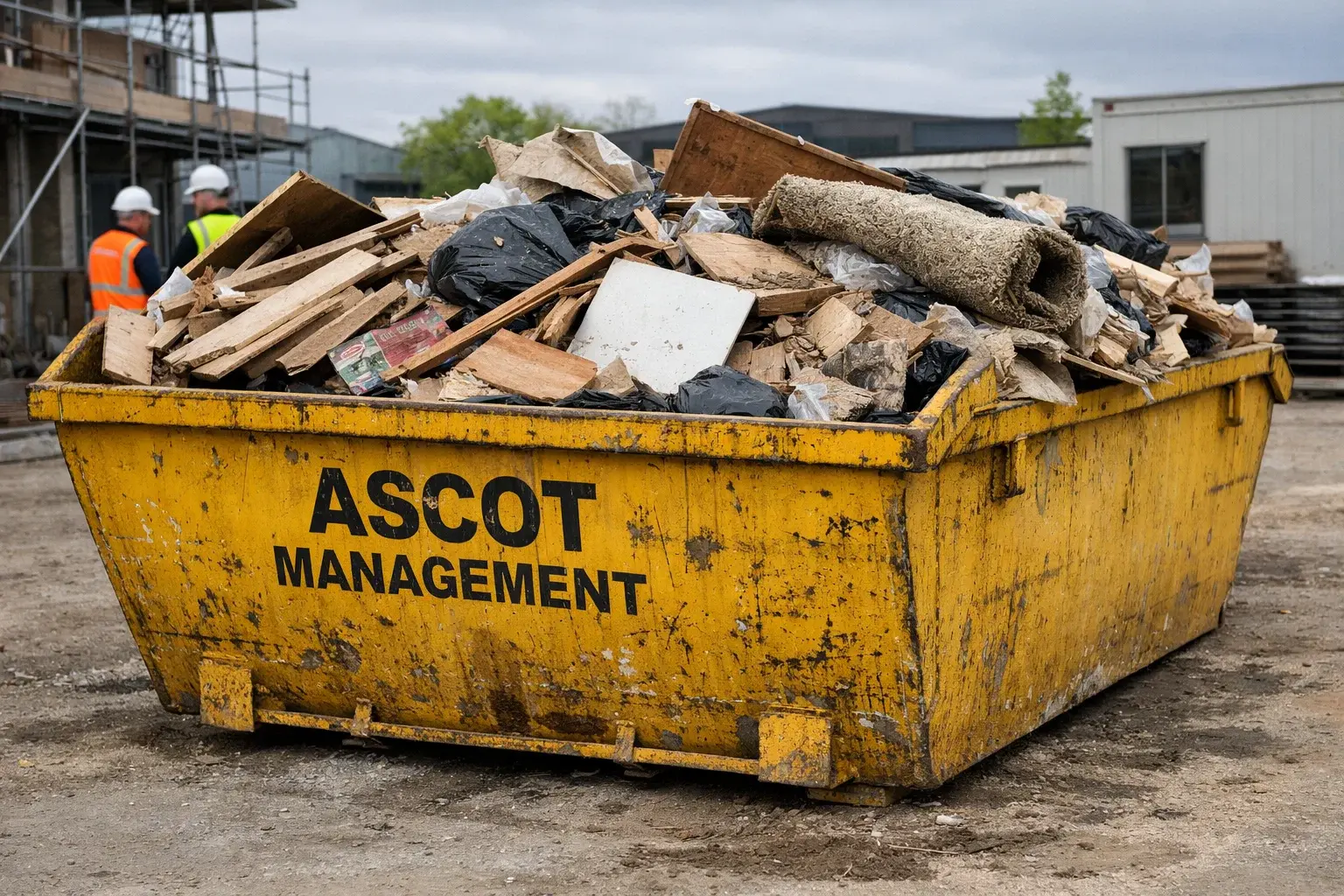
Once you get into 12 to 16 yard skips, you are dealing with much larger volumes. These are usually used on bigger jobs where waste builds up quickly, such as large clearances or ongoing building work. They suit situations where smaller skips would fill too fast to be practical.
They are better for lighter bulky waste rather than very heavy materials. Things like packaging, wood or general waste tend to work well, while dense rubble or soil can hit weight limits quite quickly. For larger projects or commercial customers, they give more room to keep things moving without constant collections.
How Much Waste Can a Skip Hold?
This is one of those questions that sounds simple, but it is not always that clear once you get into it. You can try to judge how much waste there will be, but it does not always stay the same as the job moves along. Things get added, cleared, then added again.
Some people use bin bags as a rough guide, which can help a bit. It gives you something to picture, even if it is not exact. The type of waste makes a difference as well. Lighter materials take up space, while heavier ones fill a skip quicker than expected. It is more of an estimate than anything precise.
Choosing the Right Skip Size for Your Project
Choosing the right skip usually depends on the job. Some projects stay fairly light, others build up as they go. It is not always clear at the start how much waste there will be.
Looking ahead helps a bit. House clearances, home renovations and building projects all create waste in different ways, and not always at the same time. Getting the right skip early on can make things easier, rather than having to change it once everything is already in progress.
Things to Consider Before Hiring a Skip
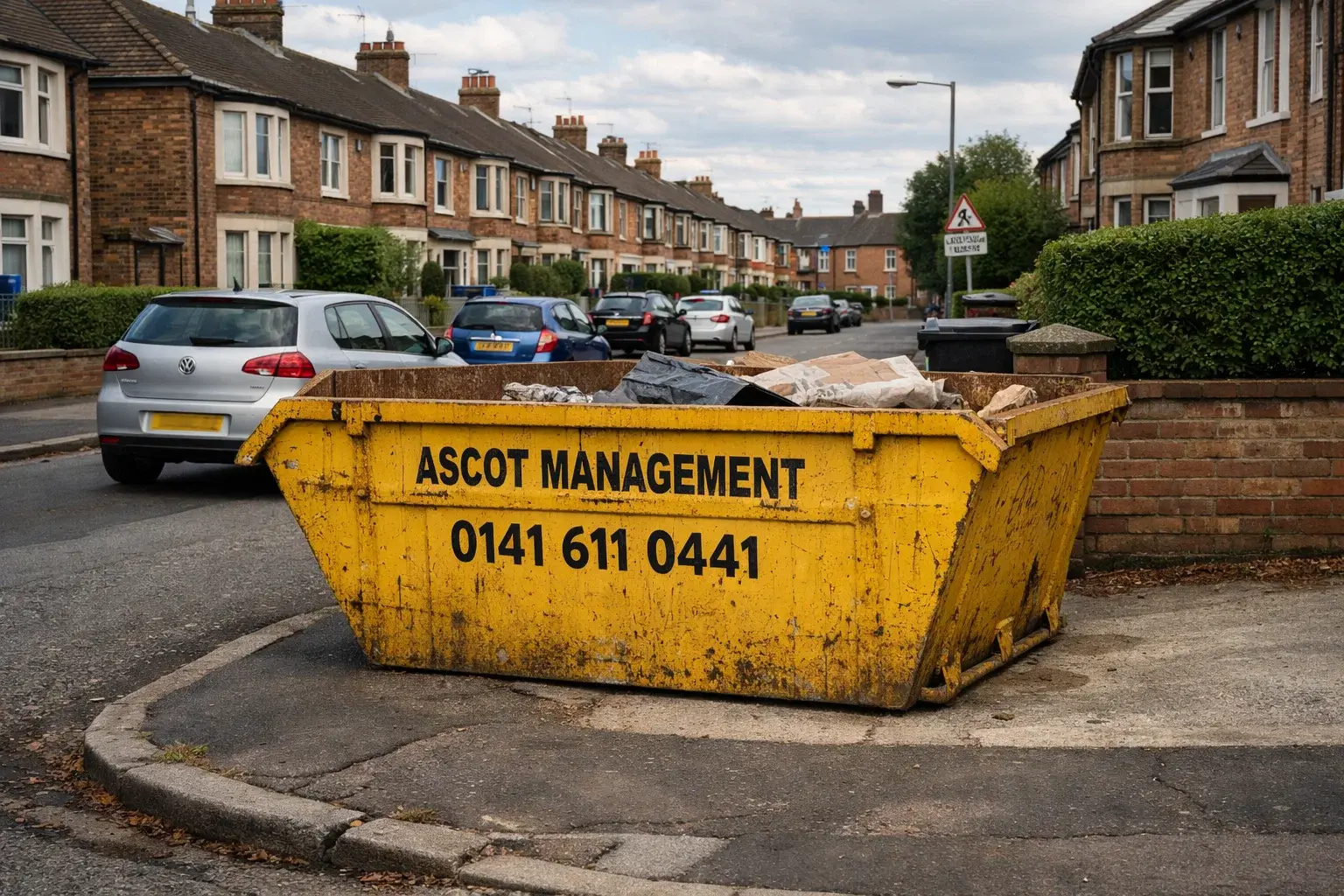
There are a few things to think about before hiring a skip, even on smaller jobs. Space can be one of them. Some sites have plenty of room, others do not, so it can affect what you are able to use once it arrives.
Permits can come into it as well. If the skip is going on a public road or outside a property, the local council might need to be involved. It is one of those things that gets missed until later. It is usually easier to check first rather than deal with it once the skip is already there.
Making the Decision on Skip Size Simple
Skip hire does not need to be complicated, even though it can feel that way at times. Most of the issues come from small things being missed early on rather than anything major going wrong.
Keeping it straightforward usually works best. Having a rough idea of the skip size, knowing what is going in and sorting things like delivery and permits early can make the whole process easier. It just helps everything run a bit smoother without having to fix problems later on.
If something is not clear, most people just check before going ahead. It saves guessing and usually avoids problems later. That is generally how we approach it at Ascot Management as well, just keeping things simple and helping where needed.