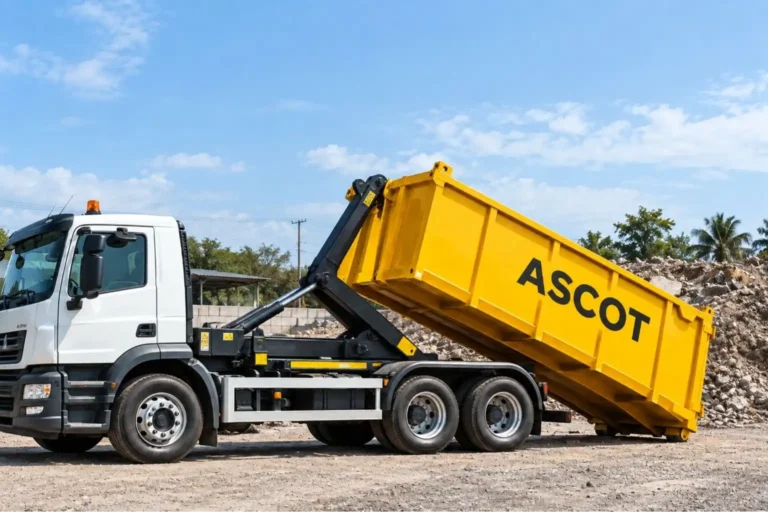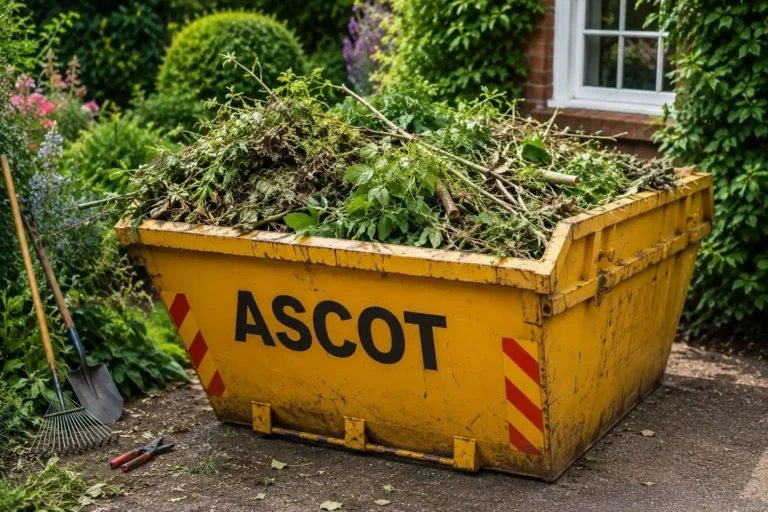
Skip hire sounds simple enough. Most people think you just book it, fill it, and that’s that. It rarely works out that neatly once a job is underway, especially when things start getting busy and waste builds up quicker than expected.
It is usually small things that cause problems. A skip turns out to be the wrong size, certain items end up mixed in without thinking, or something gets missed like a permit. None of it feels like a big deal at the time, but it can lead to extra costs and delays later on. That is where most of the frustration tends to come from.
Common Skip Hire Mistakes Businesses Make
Most issues with skip hire do not come from one big mistake. It is usually a mix of smaller things that get overlooked while a project is moving along. Waste builds up, decisions get rushed, and before long the skip is not being used as it should be.
That is when problems start to show. Skips get filled without much thought, materials get mixed together, and collections are not always timed properly. On busy sites, waste management often takes a back seat, which is why these mistakes are so common.
Choosing the Wrong Skip Size
Choosing a skip size sounds simple at first. Most people just go with what seems about right and hope it will do the job. It works sometimes, but not always, especially once the project gets going and more waste starts appearing.
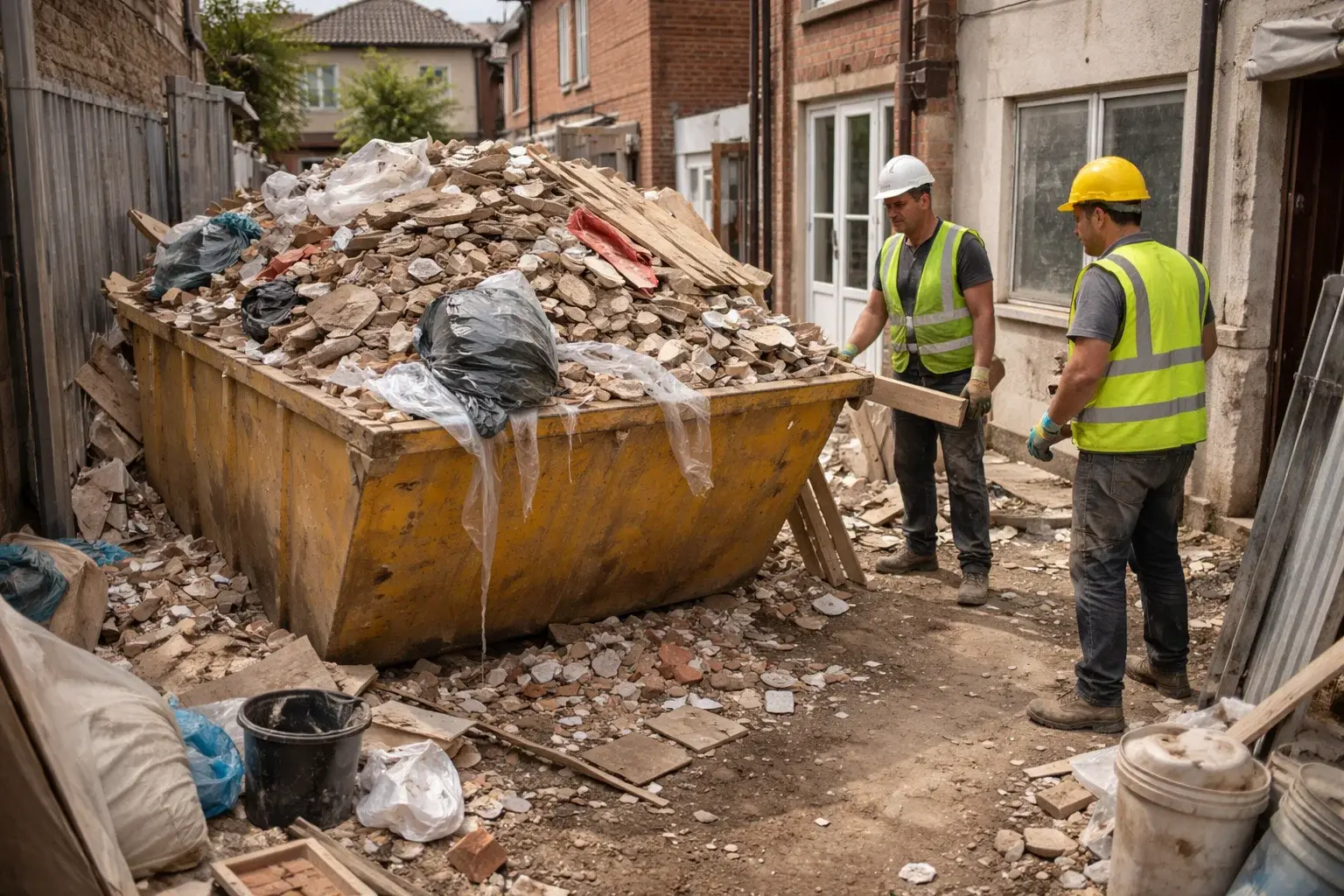
Things can change quickly once heavier materials go in. Bricks, soil and broken bits take up space faster than expected, and the skip fills before you have really noticed. It also depends on the type of waste, not just the amount. Lighter materials can make a skip look less full than it really is. In hindsight, a slightly larger skip would have made things easier. For smaller clearances a 4-yard skip or 8-yard skip is often enough, while heavier or bulkier jobs tend to need a 12-yard, 14-yard or 16-yard skip instead. In hindsight, a slightly larger skip would have made things easier.
Overloading Skips and Hidden Extra Costs
It is easy to keep adding to a skip without really thinking about the limit. When waste starts building up, people tend to just keep filling the space that is there. It does not always look like a problem at the time, especially if the skip still seems usable.
The issue usually comes later. Overfilled skips can lead to extra costs, especially if they cannot be collected safely or need to be adjusted before removal. In some cases, waste has to be taken out again just to meet safety rules. That kind of delay can slow things down more than expected, particularly on a busy site.
Ignoring Waste Disposal Rules and Permits
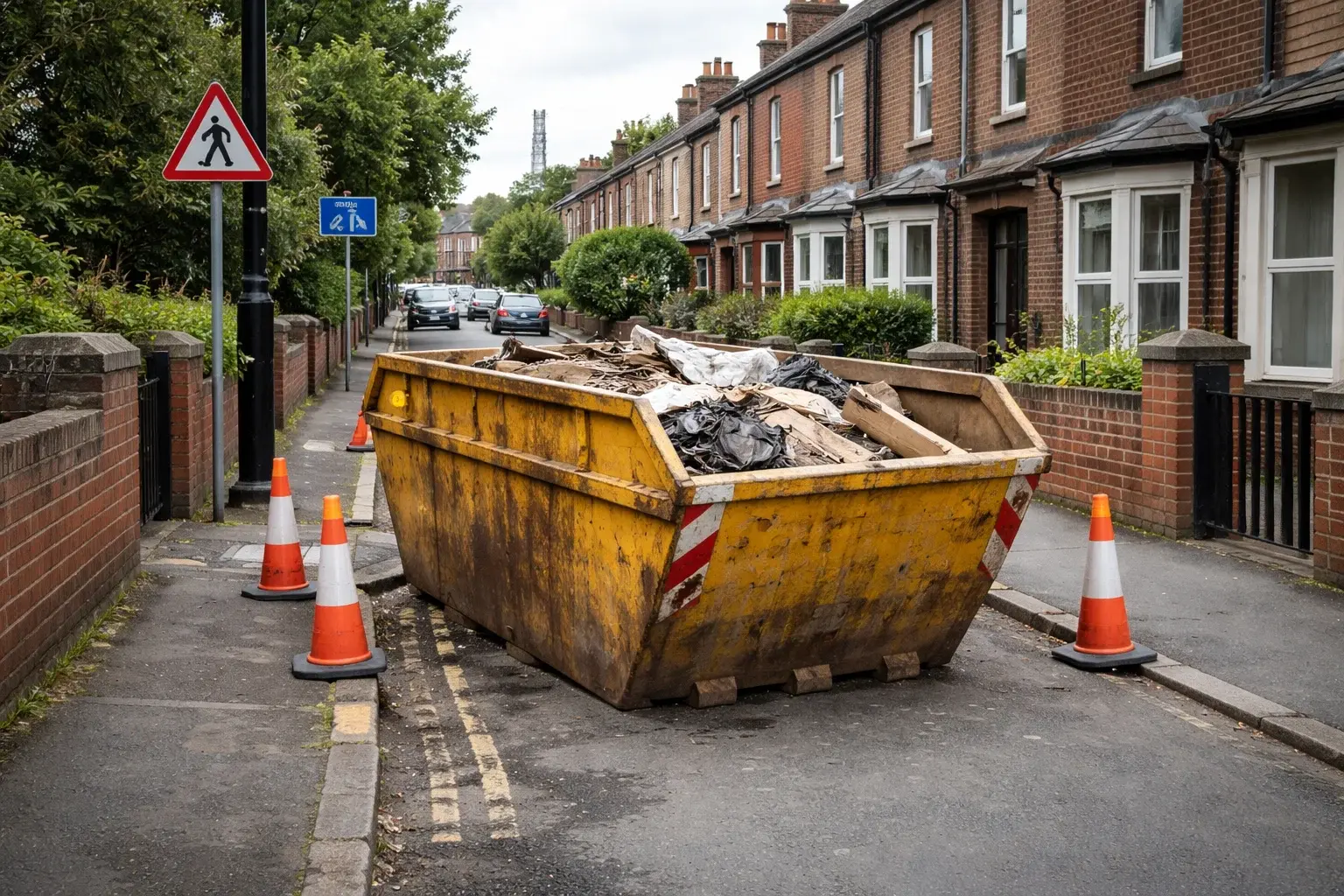
This is one that gets missed more often than you would think. When a job is moving, most people are focused on the work itself, not where the skip is sitting or whether anything extra is needed around it. It only really comes up when something does not look right.
Problems usually show up after the fact. A skip ends up on a public road without a permit, or something gets flagged during collection that should not have been there. That is when local council rules or Environment Agency guidance start to matter a bit more. It is not difficult to get right, but it does get overlooked.
Mixing Hazardous Waste with General Waste
This is another one that tends to happen without much thought. Waste gets thrown in as the job goes on, and before long everything is mixed together. It is not always obvious at the time, especially when things need clearing quickly and space is tight.
The problem is some materials should never go in with general waste. Items like asbestos, certain electrical items or other hazardous substances need to be handled differently. If they end up in a skip by mistake, it can cause delays, extra costs or even refusal to collect the load. It is one of those situations that is easier to avoid than fix later.
Not Knowing What Can and Cannot Go in a Skip
This is something people often realise too late. It is easy to assume most waste can go into a skip, especially when a project is moving quickly and everything needs clearing out of the way.
In reality, certain items are not allowed. Electrical items, hazardous materials and some types of waste need to be disposed of separately. If they are mixed in by mistake, it can delay collection or increase disposal costs. When unsure, it is always better to check first rather than deal with the issue later.
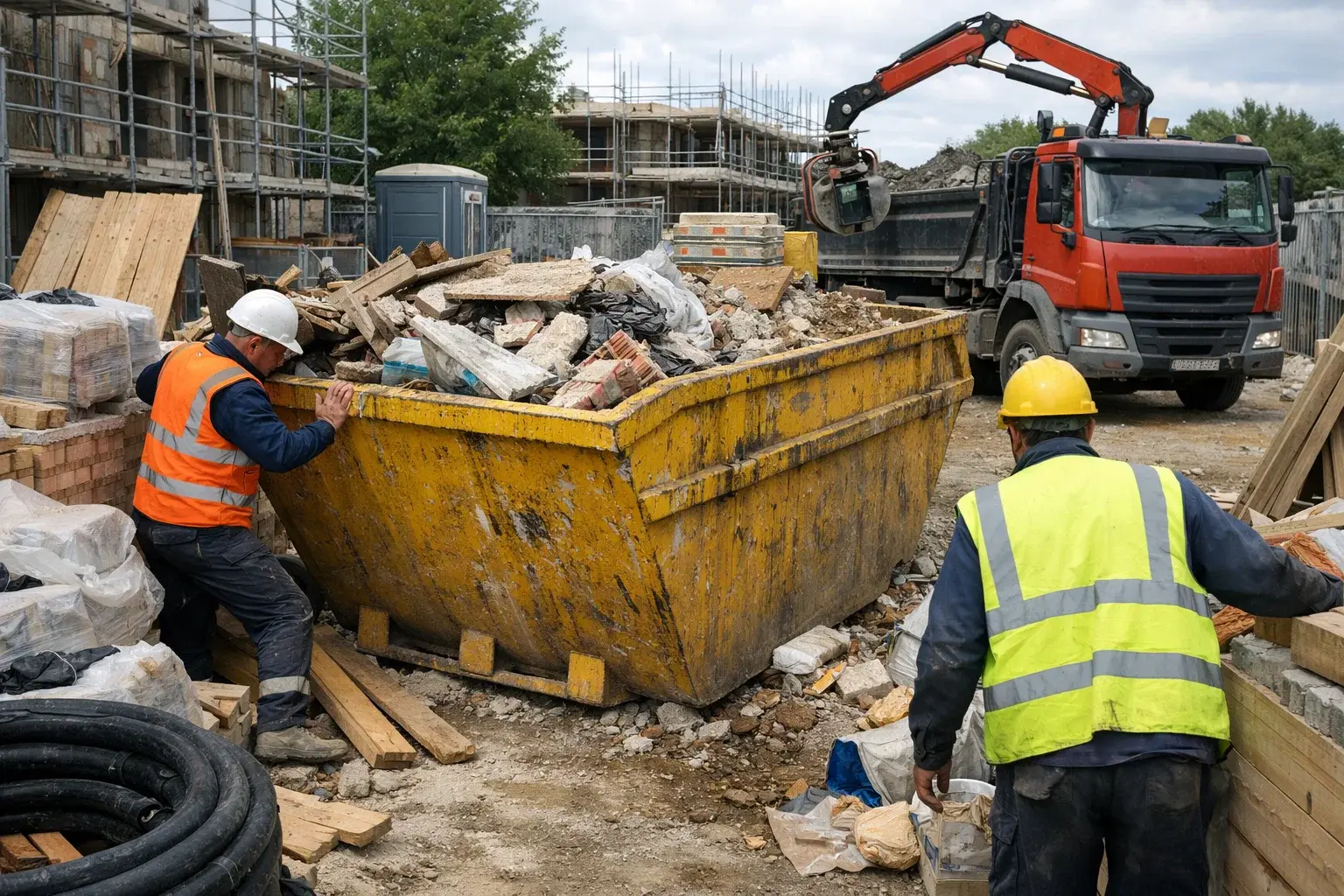
Poor Planning Around Collection and Delivery
Timing can make more of a difference than people expect. A skip might arrive too early and sit there half empty, or turn up late when waste is already starting to pile up. It usually comes down to how the job has been planned rather than the skip hire itself.
Collection can be just as awkward if it is not lined up properly. If the skip is not ready, or access is blocked, it can delay things and push everything back. On busier sites, even small timing issues can affect space, movement and how smoothly things run day to day.
Choosing the Wrong Skip Hire Company
Not all skip hire companies work in the same way, even if they seem similar at first. Some are quick to deliver and collect, others take a bit longer or are harder to deal with once the job is underway. It is not always obvious until you are already relying on them.
A reliable skip company tends to make things easier without much fuss. Collections happen when expected, communication is clear, and there is less back and forth trying to sort issues out. On the other hand, the wrong choice can slow things down, especially if waste starts building up and needs dealing with quickly.
How to Avoid These Skip Hire Mistakes
Most of the time, it is not one big mistake that causes issues. It is usually a few small things that get missed early on, then end up causing problems later. Things like choosing a skip without thinking it through, or not being fully sure what can go in it.
Keeping things simple tends to help. A bit of planning, checking things when unsure and working with a local skip hire company that knows how sites work can make it easier. For sites across Glasgow, Hamilton and Motherwell, a local provider usually means quicker delivery and collection and fewer access issues. It just keeps everything moving and avoids problems building up as the job goes on.